When people think about waste, they usually picture household bins at the curb. The reality in Europe looks very different. The largest source of waste by far is the construction sector, and that fact shapes how waste is collected, sorted and transported every day, including the steel containers used on job sites.
Construction Leads Europe’s Waste Output
In 2022, the European Union generated a total of 2,233 million tonnes of waste, roughly 5 tonnes for every resident. Construction was responsible for 38.4% of that total, far ahead of mining and quarrying (22.7%), waste and water services (10.5%), manufacturing (10.4%) and households (8.9%).
In other words, households produce less than a quarter of what construction sites produce. Much of construction waste is heavy mineral material such as concrete, bricks, tiles and soil, which places very different demands on containers than lighter municipal waste.
Recovery Is Rising, and Sorting Starts on Site
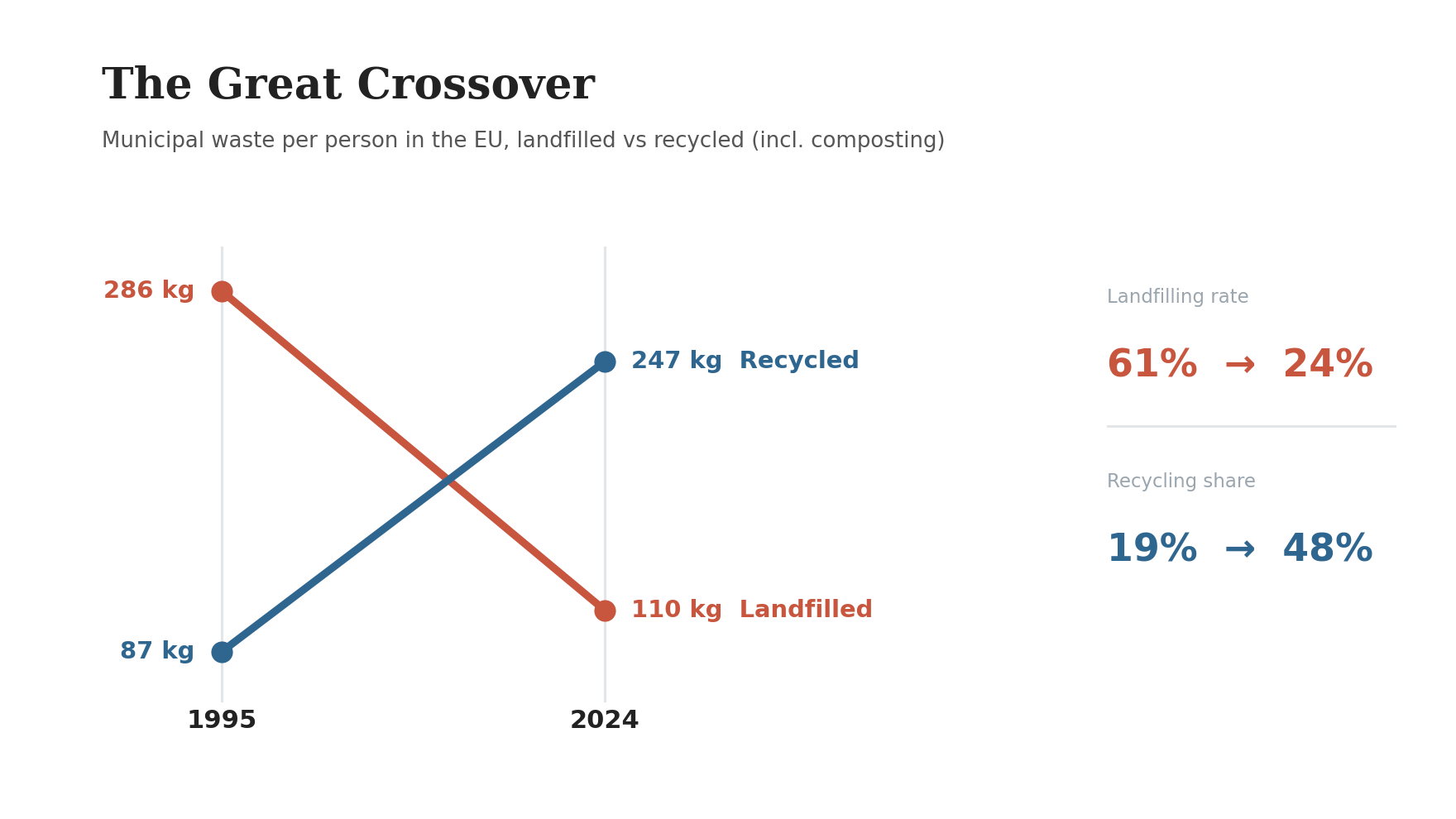
Europe has been steadily shifting waste away from landfill. The amount of waste recovered through recycling, backfilling or energy recovery grew from 870 million tonnes in 2004 to 1,223 million tonnes in 2022, an increase of 40.6%. Over the same period, the share of recovery in total waste treatment rose from 45.9% to 61.4%, while landfill still accounted for 30.2% in 2022.
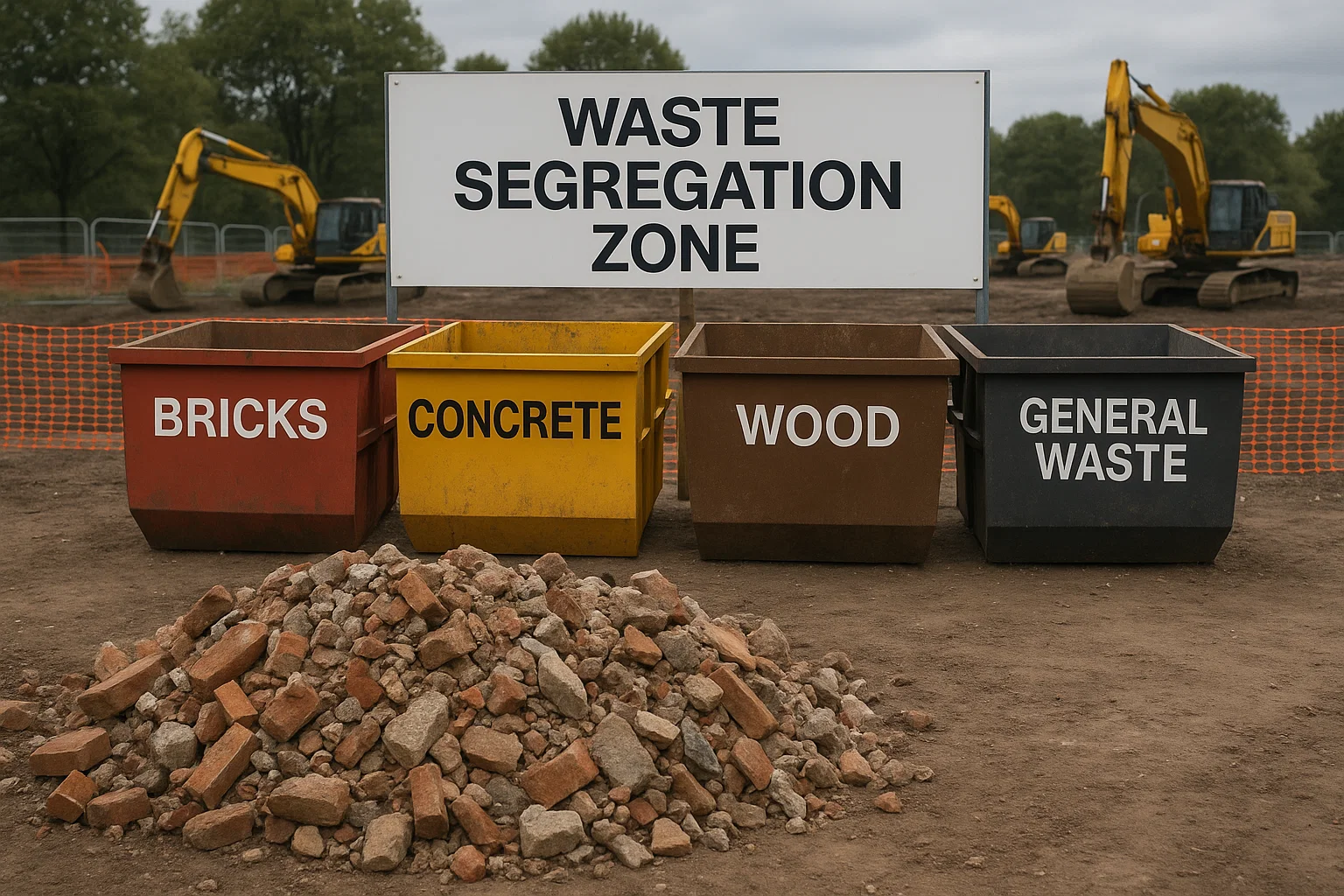
For construction specifically, EU waste legislation set a target of recovering at least 70% by weight of non-hazardous construction and demolition waste, through reuse, recycling or other material recovery. Meeting that level depends heavily on keeping materials separate from the start. Clean concrete, timber, metal and plasterboard are far easier to recycle when they never enter a mixed load.
What This Means for Container Demand
These trends translate directly into how job sites and waste operators use containers:
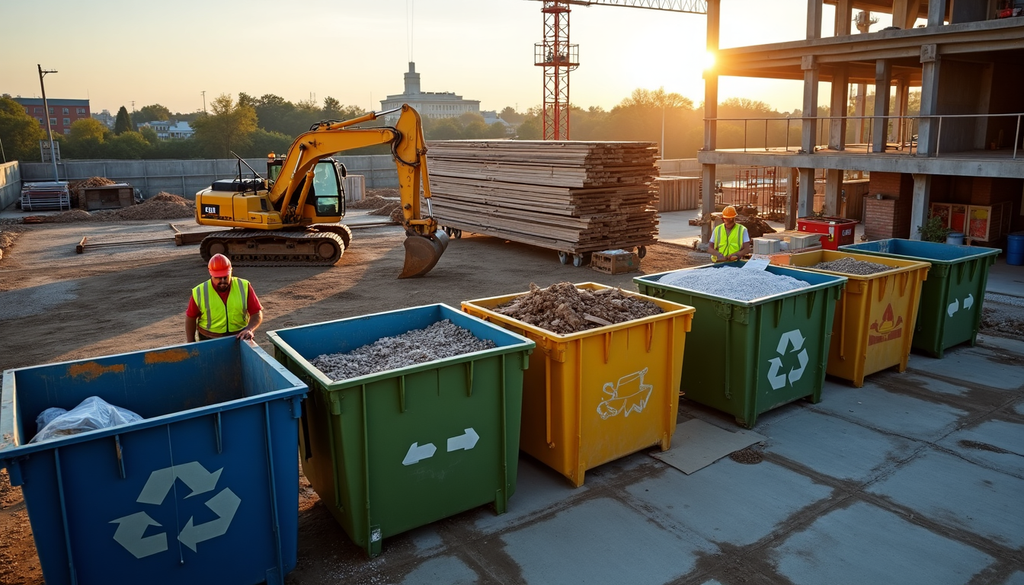
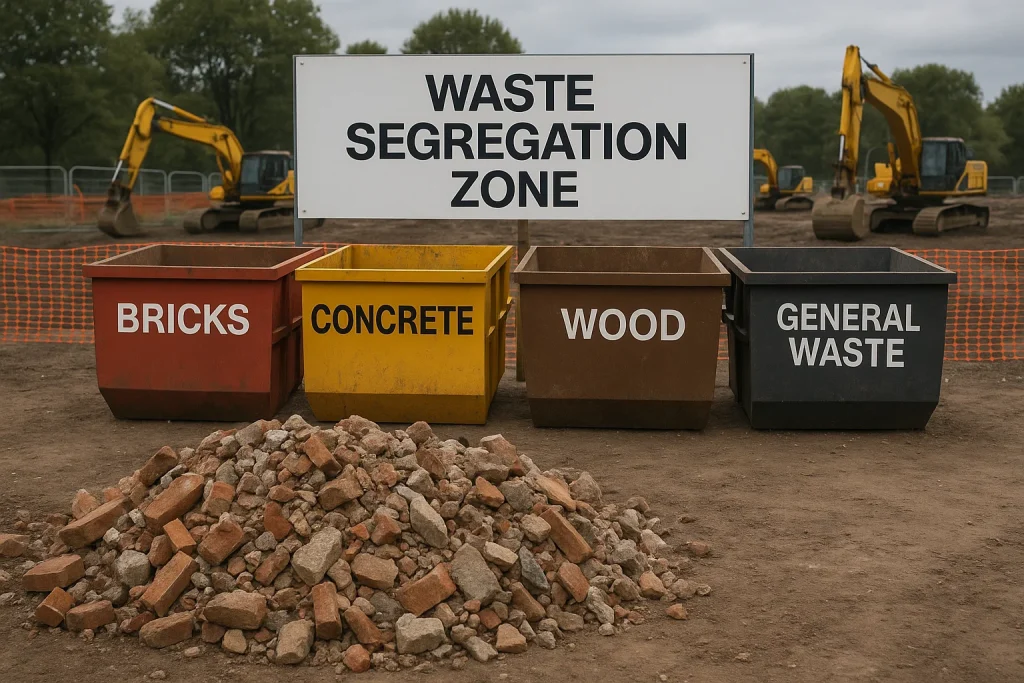
More containers per site. Source separation means one mixed skip is often replaced by several dedicated containers, one for each material stream. A mid-sized project may need separate bins for inert rubble, wood, metal and general waste.
Heavier duty construction. Mineral waste is dense. A container filled with concrete or brick weighs far more than one filled with packaging, so floor thickness, reinforcement and weld quality become critical to service life.
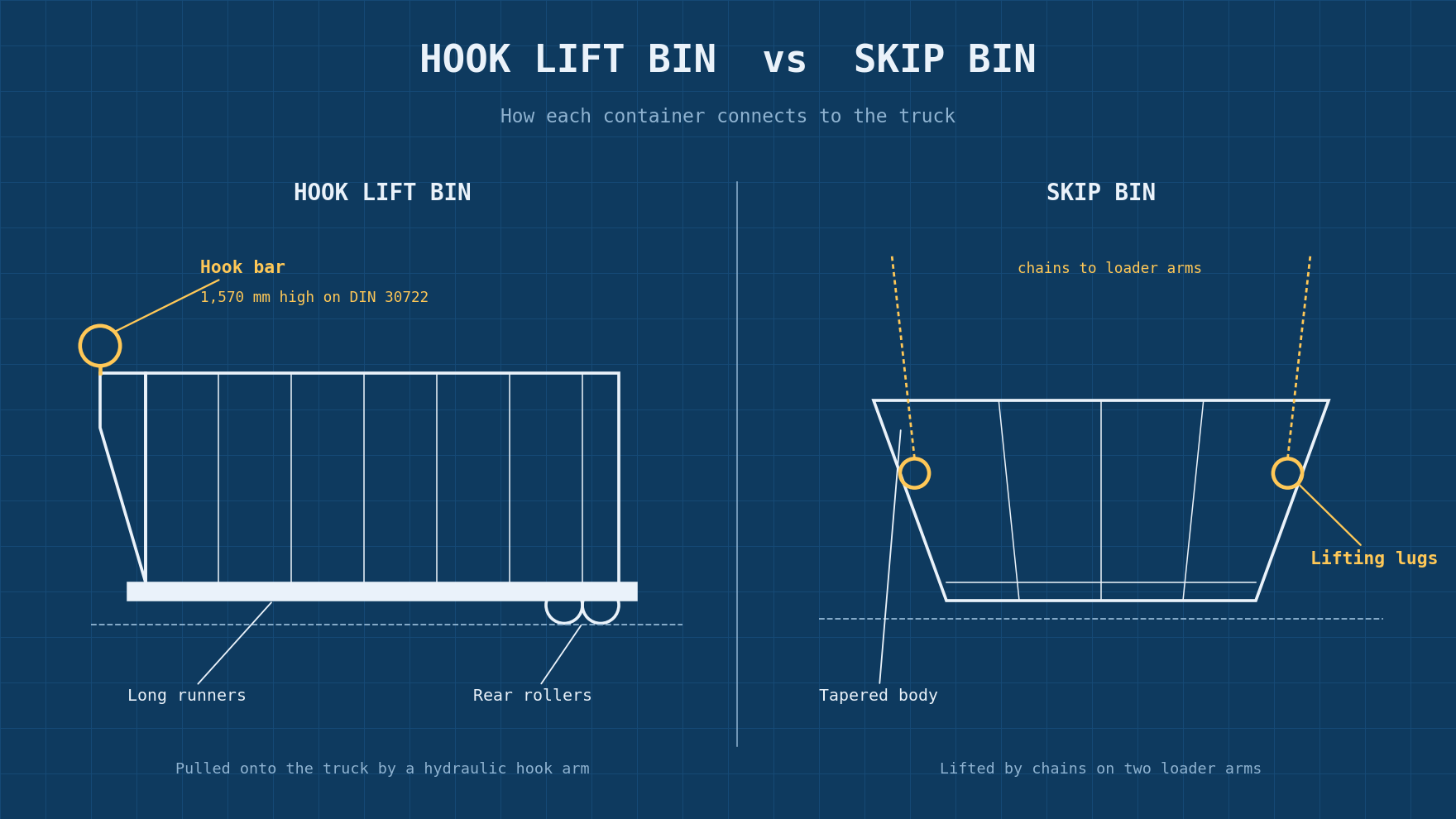
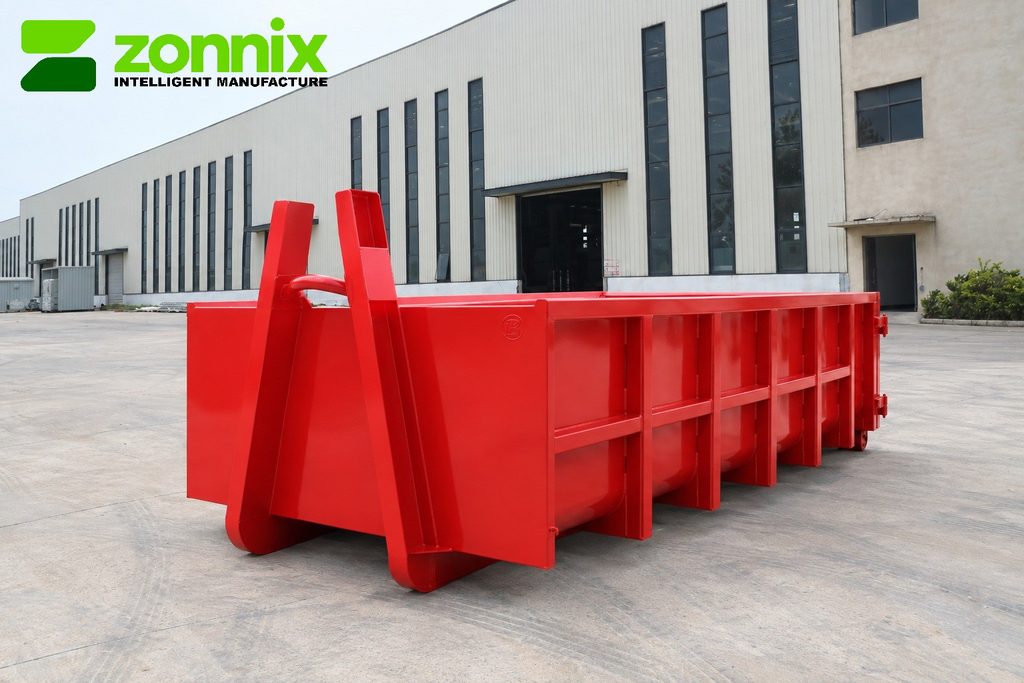
The right system for the right job. Skip bins remain practical for renovations, small sites and residential work, where smaller volumes and easy placement matter. Hook lift bins suit larger construction sites, demolition projects and transfer stations, where one truck can quickly exchange full containers for empty ones and handle higher volumes.
Growing activity downstream. Recycling depends on sorting facilities and transfer stations, which rely on large-volume containers to move separated materials efficiently. As collection of recyclables increases, so does the need for durable containers throughout that chain.
Looking Ahead
Construction will remain a core driver of Europe’s waste volumes, and policy continues to push recovery higher. For contractors, haulers and recyclers, the practical takeaway is clear: container fleets need to be sized for separation, built for heavy materials, and matched to the collection system in use. Choosing containers with the right capacity, steel specification and hook or skip configuration from the outset reduces replacement costs and keeps sites running efficiently.
Looking for hook lift bins or skip bins built for heavy construction waste? Contact the Zonnix team to discuss customized container solutions.